
Understanding the True Cost of Ebike Batteries
Why Are Ebike Batteries So Expensive?
Discover the factors that drive up the cost of ebike batteries and why investing in quality matters.
Exploring the Real Cost of Ebike Batteries
What Are Ebike Batteries Made Of?
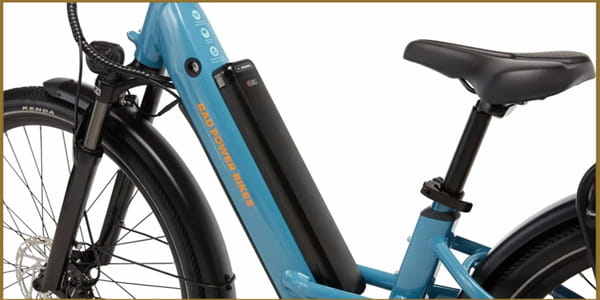
Ebike batteries are primarily composed of lithium-ion cells, which are known for their high energy density and lightweight properties. These cells are similar to those found in smartphones and laptops, but on a larger scale to power electric bikes. The core materials include lithium, cobalt, nickel, and manganese, each playing a crucial role in the battery’s performance and cost.
Additionally, ebike batteries incorporate a battery management system (BMS) to ensure safety and efficiency. This system monitors the battery’s health, regulates charging and discharging, and prevents overheating, which is essential for maintaining the battery’s lifespan and reliability.
Why Lithium-Ion Batteries Are Pricier
Understanding Lithium-Ion Battery Costs
Lithium-ion batteries have become the go-to choice for e-bikes due to their high energy density and long lifespan. However, these benefits come at a higher price. The primary reason for their cost is the use of lithium, a rare and valuable resource. Extracting and refining lithium is an intensive process, contributing significantly to the overall cost. Additionally, lithium-ion batteries require sophisticated manufacturing processes to ensure safety and efficiency, further driving up the price.
Another factor influencing the cost is the advanced technology involved. Lithium-ion batteries incorporate complex chemical compositions and require precise engineering to maintain stability and performance. This complexity not only enhances their functionality but also adds to the production costs. Moreover, the demand for lithium-ion batteries in various industries, from electronics to electric vehicles, has surged, impacting their availability and pricing.
Battery Capacity and Pricing
How Battery Capacity Affects Cost

When it comes to e-bike batteries, capacity is a crucial factor in determining price. Measured in ampere-hours (Ah) and watt-hours (Wh), capacity indicates how much energy a battery can store. Higher-capacity batteries allow for longer rides and more power, but they also come with a higher price. This is because larger capacity batteries require more materials and advanced technology to maintain efficiency and safety.
The Impact of Capacity on Price
Voltage is another important aspect of battery capacity. Higher voltage batteries can deliver more power, which is ideal for ebikes that need to tackle steep hills or carry heavy loads. However, this increased capability also means a higher cost. Manufacturers must balance the need for power with the constraints of size and weight, which can complicate the production process and increase expenses.
Manufacturing and Safety Costs
The Hidden Costs of Battery Manufacturing
Producing ebike batteries involves more than just assembling components. The manufacturing process includes rigorous testing and quality control to ensure each battery meets safety standards. This involves significant investment in technology and skilled labor. Safety systems, such as thermal management and short circuit prevention, are integral to the design, adding to the complexity and cost of production.
Why Manufacturing Costs Matter
Battery Management Systems (BMS) play a vital role in maintaining the health and efficiency of ebike batteries. These systems monitor and manage the charging and discharging processes, preventing overcharging and overheating. Implementing a reliable BMS requires sophisticated software and hardware, which increases manufacturing costs. Additionally, compliance with international safety and shipping regulations necessitates further investment in research and development.
Understanding Research and Development Costs
When it comes to producing top-notch ebike batteries, significant investment goes into research and development. This ensures that the batteries are not only efficient but also safe and durable. Companies spend millions on testing new materials and innovative designs to enhance battery performance.
Quality control is another crucial aspect, where each battery undergoes rigorous testing to meet high standards. This meticulous process ensures that the batteries you rely on are both reliable and long-lasting, contributing to the overall cost.
Navigating Shipping and Safety Regulations
The Impact of Regulations on Battery Costs
Shipping ebike batteries involves navigating a complex web of regulations. Due to their chemical composition, these batteries are classified as hazardous materials, requiring special handling and packaging. This adds layers of cost to ensure compliance with international safety standards.
Moreover, the logistics of transporting these batteries across borders necessitate additional documentation and adherence to stringent guidelines, further driving up expenses. These regulatory measures, while costly, are essential for ensuring the safe delivery of your ebike battery.
Understanding these regulations helps explain why e-bike batteries are priced higher. The costs associated with meeting these safety standards are significant, but they are crucial for preventing accidents during transit. Investing in proper shipping protocols ensures that your battery arrives safely and functions as expected.
The Hidden Dangers of Cheap Ebike Batteries
Why Cutting Costs Can Be Risky
Opting for cheaper e-bike batteries might seem like a good way to save money, but it can lead to serious risks. These batteries often lack the rigorous testing and quality assurance that more expensive options undergo, increasing the likelihood of malfunctions.
Cheap batteries may also have inadequate safety features, making them prone to overheating or even catching fire. The short lifespan of these batteries means you’ll end up spending more in the long run, not to mention the potential safety hazards. Investing in a quality battery is crucial for both performance and peace of mind.
Understanding Battery Lifespan
Ebike batteries typically last between 3 to 5 years, depending on usage and maintenance. This lifespan translates to about 500 to 1000 charge cycles. To get the most out of your battery, it’s important to follow proper charging practices and store the battery at the right temperature. Considering the initial cost, the annual expense of an ebike battery can be quite reasonable when you factor in the savings on fuel and maintenance compared to traditional vehicles.
Maximizing Your Investment
When evaluating the cost per year, it’s crucial to consider how often you use your ebike. For frequent riders, the cost per mile can be significantly lower than other forms of transportation. Regular maintenance and proper care can extend the battery’s life, ensuring you get the best value over time.
Practical Tips for Longevity
To maximize your battery’s lifespan, avoid extreme temperatures and overcharging. Regularly check for software updates for the battery management system (BMS) to ensure optimal performance. These small steps can make a big difference in how long your battery lasts and how much value you get from it.
Are Expensive Ebike Batteries Worth It?
Investing in a high-quality ebike battery can seem daunting, but the benefits often outweigh the initial cost. Premium batteries typically offer better performance, longer lifespan, and enhanced safety features. These factors contribute to a more reliable and enjoyable riding experience.
While cheaper batteries might save you money upfront, they often lack the durability and efficiency of their pricier counterparts. Over time, the need for replacements and potential safety risks can add up, making the initial savings negligible. Thus, spending more on a quality battery can be a wise investment for long-term satisfaction and peace of mind.
Wrapping Up: Making Informed Choices
How to Protect ebike Battery from Rain
Keep Your Ebike Battery Safe from the Elements: Essential Tips for Protecting Your Ebike Battery in Rainy Weather. Discover practical advice to ensure your ebike battery remains dry and functional, even in the wettest conditions.